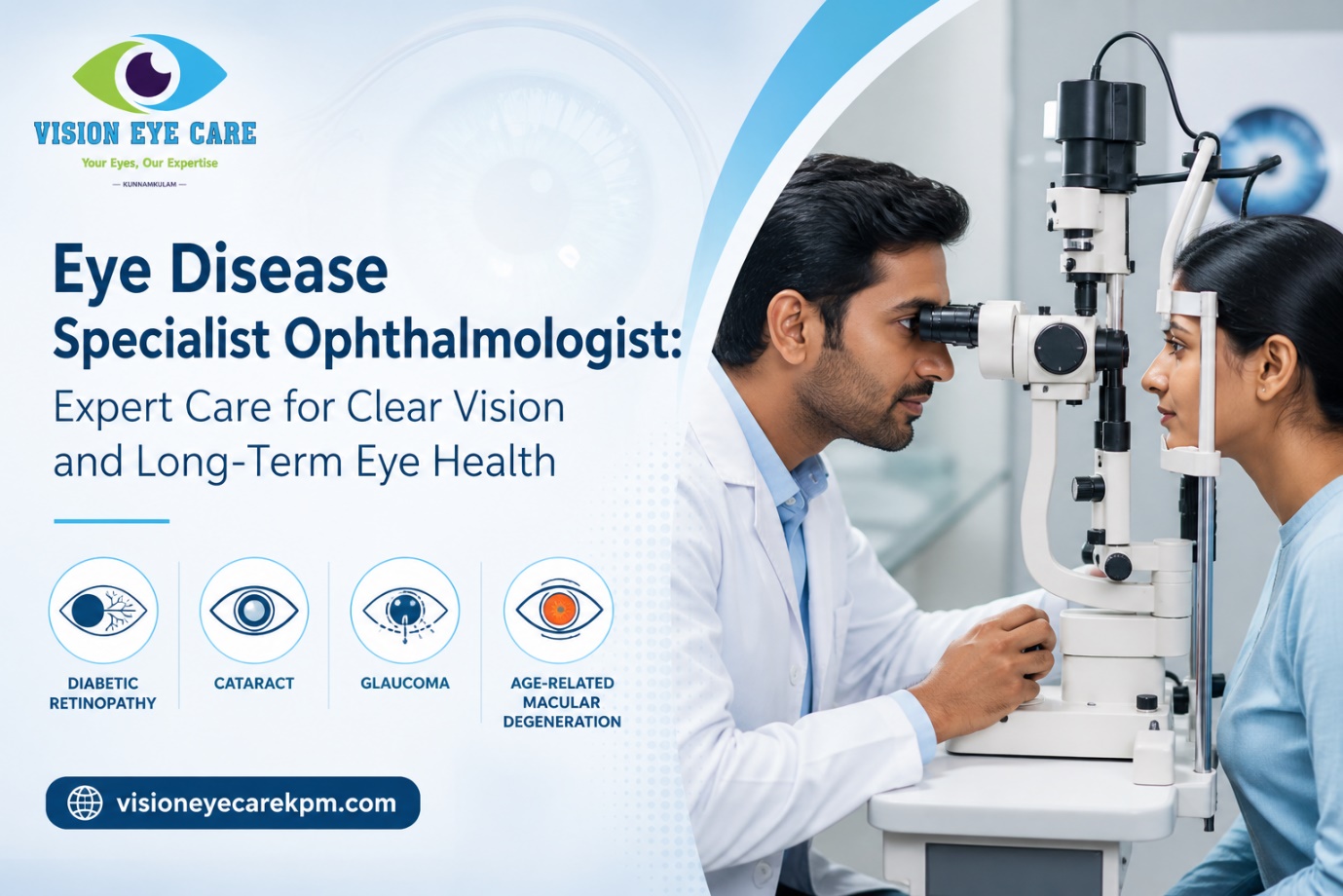
Eye Disease Specialist Ophthalmologist: Expert Care for Clear Vision and Long-Term Eye Health
Posted on May 7, 2026
When it comes to protecting your vision, choosing the right eye disease specialist, an ophthalmologist, can make all the difference. Your eyes are delicate organs, and even minor symptoms can sometimes signal deeper issues. A qualified specialist not only diagnoses conditions early but also guides you through the most effective treatments to preserve long-term eye health.
An eye disease specialist ophthalmologist is a medical doctor trained to diagnose, treat, and manage a wide range of eye conditions. Unlike general eye care providers, these specialists are equipped to handle complex diseases such as glaucoma, cataracts, retinal disorders, and corneal problems. They combine clinical expertise with advanced diagnostic tools to provide accurate assessments and personalized treatment plans.
Why You Should Consult an Eye Disease Specialist
Many people ignore early signs of eye problems, assuming they will resolve on their own. However, symptoms like blurred vision, eye pain, redness, or sensitivity to light should not be overlooked. An experienced ophthalmologist can detect underlying issues before they worsen. Early intervention is especially important for conditions like glaucoma, which can lead to irreversible vision loss if untreated.
Regular eye check-ups are equally important, even if you don’t have noticeable symptoms. Routine screenings help identify silent conditions that develop gradually. For individuals with diabetes, high blood pressure, or a family history of eye diseases, visiting a specialist becomes even more crucial.
Common Eye Conditions Treated
A skilled eye disease specialist ophthalmologist manages a variety of conditions, including the following:
- Cataracts: Clouding of the eye’s natural lens, often related to aging.
- Glaucoma: Increased eye pressure that damages the optic nerve.
- Age-related macular degeneration (AMD): A condition affecting central vision.
- Diabetic retinopathy: Damage to retinal blood vessels caused by diabetes.
- Dry eye syndrome: A common condition leading to irritation and discomfort.
- Corneal infections and injuries: Which can affect clarity and vision quality.
Each of these conditions requires a tailored approach, often involving a combination of medication, lifestyle changes, or surgical procedures.
Advanced Diagnostic and Treatment Options
Modern ophthalmology has evolved significantly with cutting-edge technologies. From digital retinal imaging to optical coherence tomography (OCT), specialists can now detect diseases at very early stages. Treatment methods have also improved, with minimally invasive surgeries offering faster recovery times and better outcomes.
Laser treatments, micro-incision surgeries, and advanced intraocular lenses are some of the innovations that have transformed eye care. An eye disease specialist ophthalmologist stays updated with these advancements to provide the highest standard of care.
How to Choose the Right Specialist
Selecting the right ophthalmologist involves more than just convenience. Look for qualifications, experience, and patient reviews. A good specialist will take time to explain your condition, discuss treatment options, and answer your questions clearly. Communication and trust play a key role in effective eye care.
It’s also helpful to choose a clinic that offers comprehensive services under one roof, including diagnostics, consultation, and treatment. This ensures continuity of care and better monitoring of your condition.
Tips for Maintaining Healthy Eyes
While professional care is essential, maintaining daily eye health habits can prevent many problems:
- Follow a balanced diet rich in vitamins A, C, and E
- Take regular breaks from screens
- Wear protective eyewear when needed.
- Manage chronic conditions like diabetes
- Avoid rubbing your eyes frequently.
- Ensure proper lighting while reading or working
These simple practices can go a long way in preserving your vision.
Frequently Asked Questions (FAQs)
When should I visit an eye disease specialist ophthalmologist?
You should consult a specialist if you experience symptoms like blurred vision, eye pain, flashes of light, or sudden vision changes. Regular annual check-ups are also recommended.
What is the difference between an ophthalmologist and an optometrist?
An ophthalmologist is a medical doctor who can perform surgeries and treat complex eye diseases, while an optometrist primarily provides vision care and prescribes glasses or contact lenses.
Are eye diseases always noticeable in early stages?
No, many conditions like glaucoma develop without obvious symptoms. This is why routine eye exams are essential.
Can eye diseases be prevented?
Not all eye diseases can be prevented, but early detection and a healthy lifestyle significantly reduce risks and complications.
Is surgery always required for eye conditions?
No, many conditions can be managed with medications or lifestyle changes. Surgery is recommended only when necessary.